
Grappling at Williamsburg MMA


Grappling Class Structure & Syllabus
Separate Systems First. Integration by Design.
The Grappling program at Williamsburg MMA is built around a clear principle:
Each grappling art is taught as a complete, standalone system first — before anything is connected.
Our syllabus is intentionally structured to give students clarity, not confusion.
From Systems to Fluency
How Separate Arts Become One Skillset
At Williamsburg MMA, grappling fluency is not taught; it is earned.
It comes from first understanding each grappling system on its own terms, and only then learning how the systems relate to one another.
This is the difference between mixing styles and mastering grappling.

Independent Curricula Within One Class
Within the Grappling class, students are taught distinct curricula for each discipline:
-
Brazilian Jiu-Jitsu
-
Judo
-
Greco-Roman Wrestling
-
Folkstyle Wrestling
-
Freestyle Wrestling
Each system is respected for what it is; with its own rules, priorities, positions, and objectives.
Nothing is blended prematurely.
Nothing is watered down.

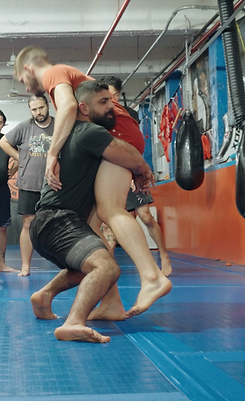
Standalone Systems, Taught Correctly
Each discipline is taught as a complete art:
-
Jiu-Jitsu: positional control, submissions, guard work, and patience
-
Judo: balance, off-balancing, throws, and transitions
-
Greco-Roman: upper-body control, clinch, posture, and par terre
-
Folkstyle: pressure, riding, escapes, reversals, and pinning
-
Freestyle: takedowns, exposure, speed, and dynamic movement
Students learn not just how to perform techniques; but why they exist within that system.

Why We Keep the Systems Separate First
Every grappling style is powerful — and every style has limitations defined by its rules.
By teaching each system independently:
-
Students understand intent and structure
-
Techniques make sense in context
-
Bad habits don’t bleed between styles
-
Skills hold up under pressure
This builds real literacy instead of surface-level familiarity.
Connecting the Systems:
On Purpose
Once students understand the foundations of each discipline, the syllabus begins to connect the systems intentionally.
At that stage, students start to recognize shared principles:
-
Balance and posture
-
Pressure and leverage
-
Timing and positioning
-
Control before movement
The connection feels natural, not forced.
From Understanding to Effortless Integration
Because the systems were learned clearly:
-
Judo throws flow into control
-
Wrestling takedowns stabilize on the ground
-
Jiu-Jitsu positions benefit from pressure and balance
-
Clinch work carries across multiple contexts
Nothing is merged randomly.
Integration happens because students understand the systems deeply.
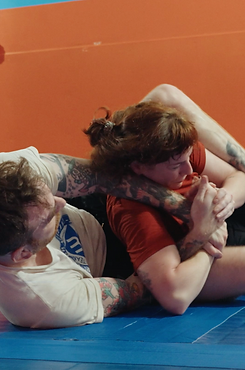
One Grappling Class. Multiple Complete Arts.
The Grappling class is not a mixed-style scramble.
It is a structured education in grappling, where students:
-
Learn each art correctly
-
Respect the differences between systems
-
Understand strengths and limitations
-
Develop the ability to move between styles intelligently
What emerges is not a hybrid style;
It’s fluency.
Why This Matters
This approach creates grapplers who are:
-
Calm instead of chaotic
-
Technical instead of reactive
-
Adaptable without being sloppy
-
Confident across rule sets and environments
This is grappling taught with intention.
Why We Don’t Blend First
Blending styles too early creates confusion:
-
Conflicting rules
-
Mismatched priorities
-
Habits that fail under pressure
Instead, we teach clarity first.
Each system is learned with its own:
-
Objectives
-
Positions
-
Scoring or finishing goals
-
Tactical constraints
This gives students a clear internal map of grappling.
Shared Principles Beneath Different Rules
Once students understand each system, something important happens.
They begin to see that beneath different rulesets, the same principles keep showing up:
-
Balance and posture
-
Base and alignment
-
Pressure and leverage
-
Timing and positioning
At this stage, techniques stop feeling like isolated moves and start feeling like expressions of the same ideas.